Fundraising
Help secure the funding and supplies our animals depend on. This can include developing fundraising ideas, researching and writing grants, approaching potential sponsors, requesting donations, and maintaining relationships with supporters.
We also need help tracking and collecting pledges—promises to donate toward a particular animal’s rescue or care. Volunteers record those commitments, provide donation instructions, follow up with supporters, and help keep donation records accurate.
Social Media, Storytelling & Outreach
Help people get to know our animals and discover ways to support them. Volunteers write introductions for newly rescued pets, adoption profiles, requests for foster homes, and posts about volunteer opportunities and other needs.
This work includes gathering photos, videos, and updates from caregivers; creating graphics and short videos; and sharing posts across social media platforms and community groups. Clear, accurate descriptions help prospective adopters understand each animal’s personality and needs.
Events & Community Engagement
Help plan and run adoption events, fundraisers, and community activities. We need volunteers to coordinate locations, equipment, transportation, participating animals, and the people caring for them.
At events, volunteers help with setup and breakdown, welcome visitors, answer questions, assist with applications, and handle animals according to their training and assigned responsibilities. There are also opportunities to host special activities, create promotional materials, take photos and videos, and share updates before and after each event.
Records, Data Entry & Website Information
Help keep the information our team relies on organized, accurate, and current. Volunteers update animal profiles, foster and volunteer information, applications, documents, and website listings.
This work helps the team find what it needs, follow through on requests, and give the public reliable information about our animals. It is a good fit for people who enjoy details, consistency, and keeping things organized.
Foster Coordination & Support
Help foster families get the information and practical support they need. Volunteers check in with caregivers, gather updates and photos, help arrange supplies, and coordinate appointments and transportation.
When a foster reports a health or behavioral concern, coordinators gather the relevant information and connect them with the appropriate team member or professional. Following a request through to resolution is an important part of helping both the animal and the foster succeed.
Foster University & Volunteer Education
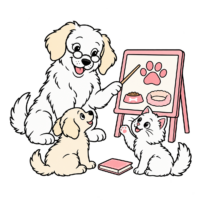
Help us develop practical education for the people caring for rescue animals. Foster University will bring together resources on topics such as getting started with fostering, helping a new animal settle in, basic pet photography, pet first aid, managing multiple dogs, and introducing cats and dogs.
Volunteers can help research, write, design, and organize materials; present online or in person; or support learning through phone calls and video meetings. We also welcome qualified professionals and experienced educators who can teach or review specialized topics.
Priority List Frontline
Help coordinate the steps involved in bringing an at-risk shelter dog into rescue care. A shelter’s priority list identifies animals who urgently need placement, including dogs at risk of euthanasia.
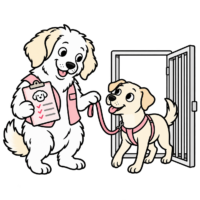
Volunteers share accurate information about these dogs, help identify suitable foster homes, gather records, and prepare new fosters for an approved placement. Once Rescue Street has authorized an intake, volunteers may coordinate transportation, help the dog settle in, collect initial photos and observations, and ensure the foster is connected with ongoing support.
This work requires close communication because an urgent placement involves several people and decisions. Volunteers work within Rescue Street’s current intake capacity and approval process.
Adoption Coordination
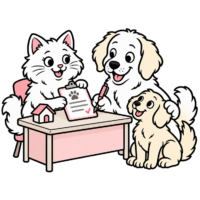
Help prospective adopters move from an initial inquiry to a well-informed adoption decision. Volunteers respond to questions, follow up on applications, assist with screening, and coordinate conversations and meetings with animals and their caregivers.
They also help organize approved adoption paperwork and placement arrangements, and connect adopters with support when needed. Thoughtful communication helps people understand an animal’s needs and whether the match will work for their household.
Volunteer Coordination
Help new and existing volunteers find useful, manageable ways to contribute. This includes responding to applications, learning about people’s interests and availability, arranging orientation, and connecting volunteers with appropriate assignments and team members.
Coordinators also help organize coverage, check in on progress, and arrange handoffs when someone’s availability changes. Helping a new volunteer get started and stay connected strengthens the whole team.
Transportation, Supplies & Equipment
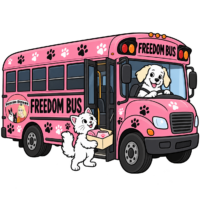
Help animals and essential supplies get where they need to go. Volunteers transport animals to approved foster homes, veterinary appointments, and events; collect donations; and deliver supplies to caregivers.
We also need help organizing inventory, preparing supplies for new foster placements, and managing equipment used at events. Drivers and helpers coordinate with the team so animals, supplies, and equipment arrive safely and as expected.